The handoff is the most expensive part of most projects.
01The brief gets written twice. Once for the creative team, and again for whoever has to build it.
02The reasoning does not travel. The file arrives. The argument behind it doesn't.
03The compromise lands last. Whoever holds the work at the deadline absorbs every earlier decision.
A production company delivers a master file and a folder of stills. Weeks later a development shop receives them, and nobody left on the project can say why the film was cut that way, why the opening frame breathes for four seconds, or which three images the whole campaign actually rests on.
Nobody is being negligent. The structure guarantees the loss. Two organisations cannot share judgement — only files.
So we removed the seam. The director and the engineer sit in the same review. The site is planned while the shoot is planned, which is why the crops already exist when the layout arrives, and why the layout was drawn around footage someone knew how to get.
Four pillars is not a services list padded out to look capable. It is the smallest set of disciplines that lets one team carry a project from the idea to the thing running in production.
You are not obliged to buy all four. Plenty of good work uses one. The point is that when a project needs two or three, nothing is handed over.

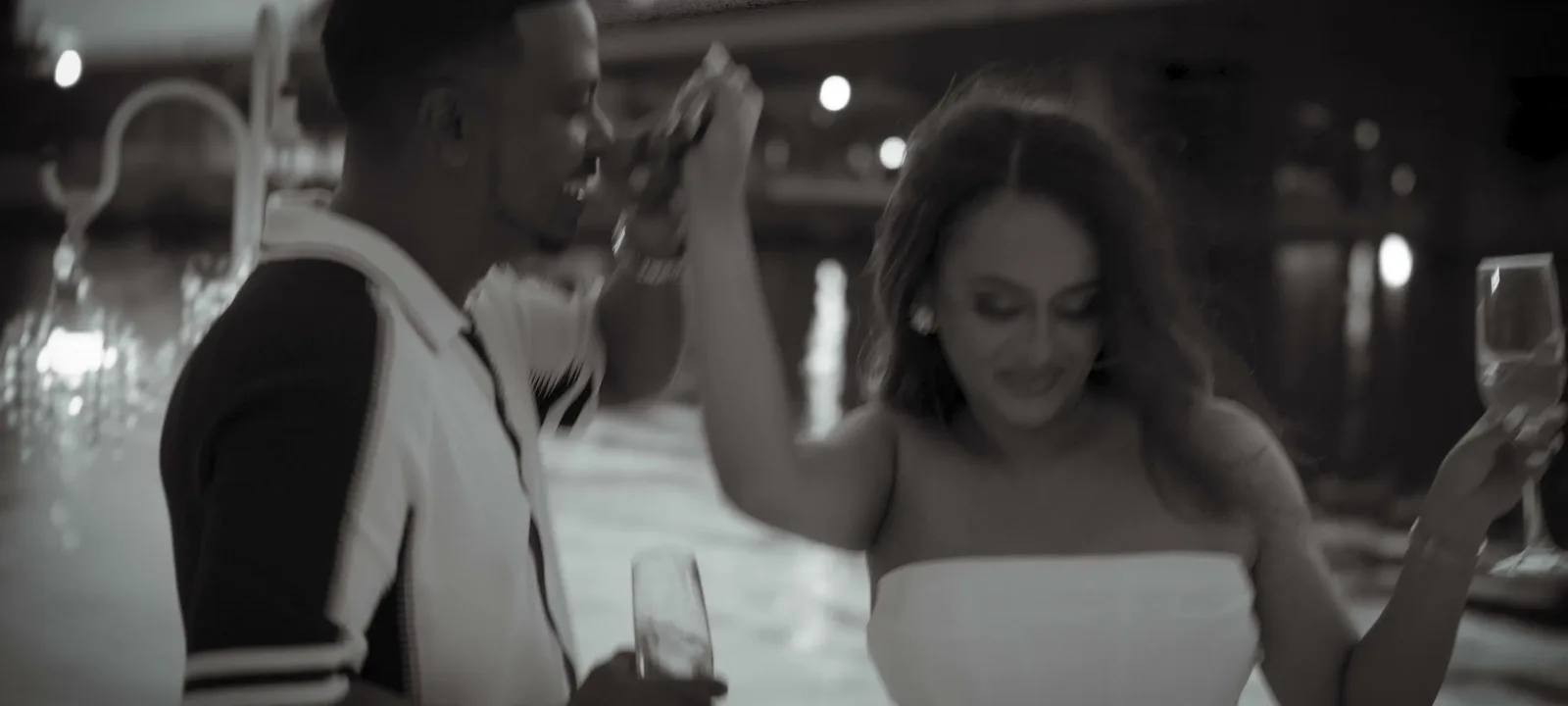

01Film & VideoDirection · production · the edit
Tell it. Frame it. Build it. Ship it.
Four pillars, one standard of finish. They are listed in the order a project usually travels — though a project can just as naturally start at the fourth and work backwards.
Tell the story
Film & Video — direction, production, post
Directed, not captured. Work starts at a treatment — a stated idea, a look, a reason for every sequence — and the treatment is what gets defended in the edit when the schedule tightens.
We staff to the film rather than to a package: a director, a DP, the crew the day genuinely needs, and a producer who owns the call sheet. Post is in-house, so the grade and the mix are decisions rather than a finishing service bought at the end.
Read the flagship case study — real, published proof of this pillar.
What it includes
- Brand films, founder films, manifesto pieces
- Campaign spots with paid and social cutdowns
- Product and demonstration film
- Documentary, interview and testimonial capture
- Event, live and multi-camera coverage
- Motion graphics, title design, on-screen typography
- Colour grade, sound design, mix and the full deliverable matrix
- Vertical edits cut for the format, never cropped out of the horizontal
Hold the frame
Photography — commercial, product, portrait, location
One lighting idea, executed all day. A shoot built around a single visual argument produces a set that still hangs together six months later. A shoot built around a shot list produces two hundred images and no library.
Where a film is already happening, stills are art-directed into the same day and the same light — one crew, one location, one look. Retouching and colour finishing are ours, so the pictures match the film they sit beside.
Ask about photography — published examples are not up yet, and we would rather tell you that than fake it.
What it includes
- Product and studio photography
- Lifestyle and environmental sets
- Portraiture — leadership, team, editorial
- Architecture, interiors and facilities
- Event and documentary coverage
- Art direction, styling and set build
- Retouching, colour finishing and consistent output profiles
- Image systems — named crops, ratios and usage rules a marketing team can run without us
Build the brand
Brand & Digital — identity, art direction, systems
Built to survive the people who use it after we leave. An identity is not a logo file. It is a set of rules narrow enough to be obeyed and generous enough to be useful on a Tuesday afternoon by someone who was never in the workshop.
Because the same studio builds the interfaces, the system is drawn against real constraints — legibility at fourteen pixels, motion that respects a reduced-motion setting, a colour that still passes contrast once it becomes a button.
Ask about brand and digital — published examples are not up yet.
What it includes
- Positioning, messaging and naming support
- Identity systems — mark, type, colour, geometry, motion
- Art direction across film, photography and interface
- Guidelines written to be used, not filed
- Campaign platforms and launch systems
- Editorial, social and content systems
- Design systems and component libraries handed straight to engineering
- Presentation, pitch and environmental applications
Ship the product
Technology — websites, apps, AI products, software, automation, 3D/WebGL
This is not the pillar that exists to make the list look complete. Technology here means production code, written and carried after launch — not a design team operating a website builder. The site you are reading is the working sample.
The work spans three territories: websites & digital experiences, apps & software products, and AI & automation — each delivered with explicit standards for testing, deployment and handover.
What it includes
- Marketing sites, editorial platforms and commerce
- Web applications, dashboards and internal tools
- iOS and Android products
- AI features grounded in a company's own material
- Workflow automation between systems already in use
- 3D and WebGL, real-time and interactive
- APIs, integrations, authentication and roles
- Performance budgets, WCAG 2.2 AA, deployment and observability
Open a pillar to read what it covers. Every panel is in the page whether it is open or not.
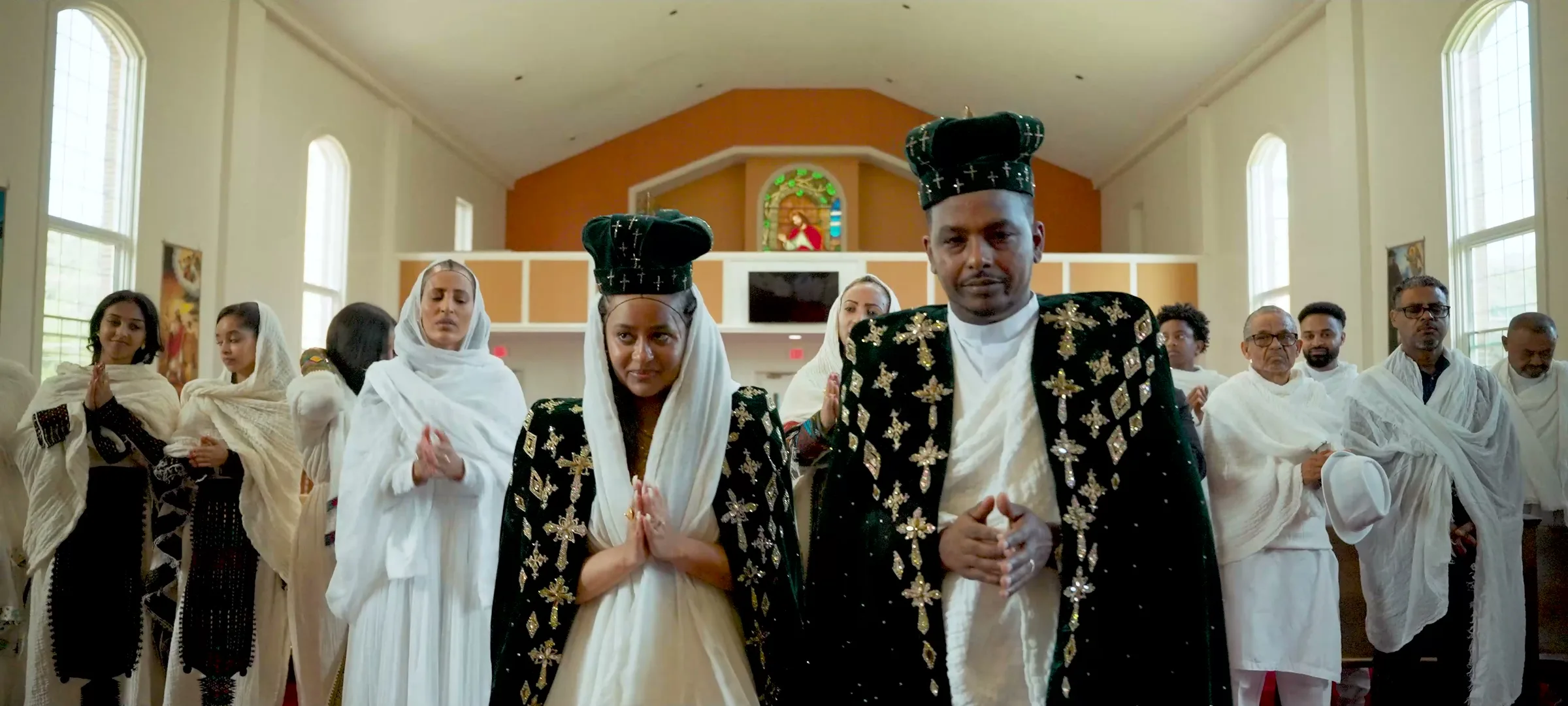
A camera is easy to hire. The day is the hard part.
Two disciplines, two rhythms. Both stand or fall on decisions made before anyone unpacks a case.
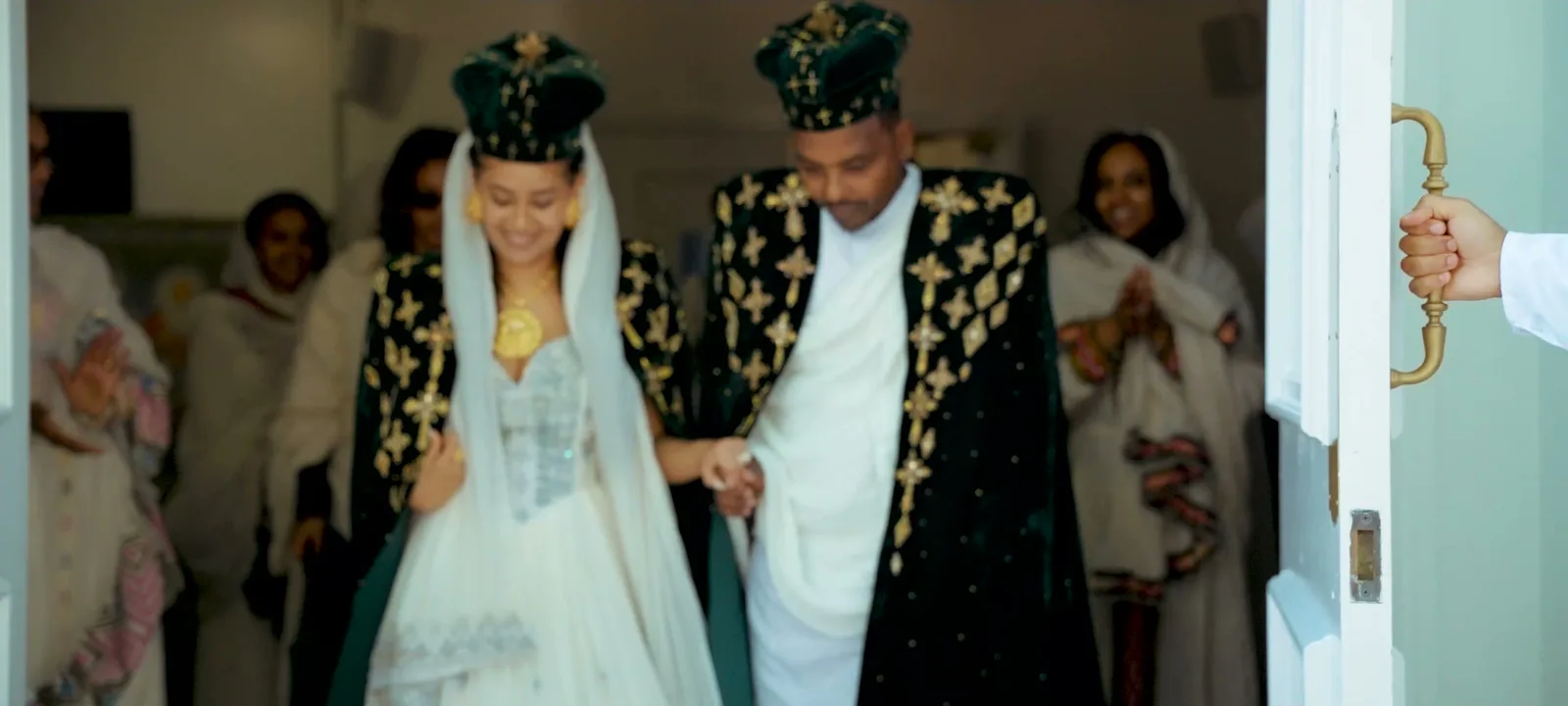
Film & Video
A treatment, a call sheet, and someone answerable for the frame
Blocking and coverage are planned so the edit has options rather than just takes. Sound is recorded properly on the day, because it cannot be rescued afterwards. Delivery formats are agreed before the shoot, so the vertical cut is directed instead of salvaged.
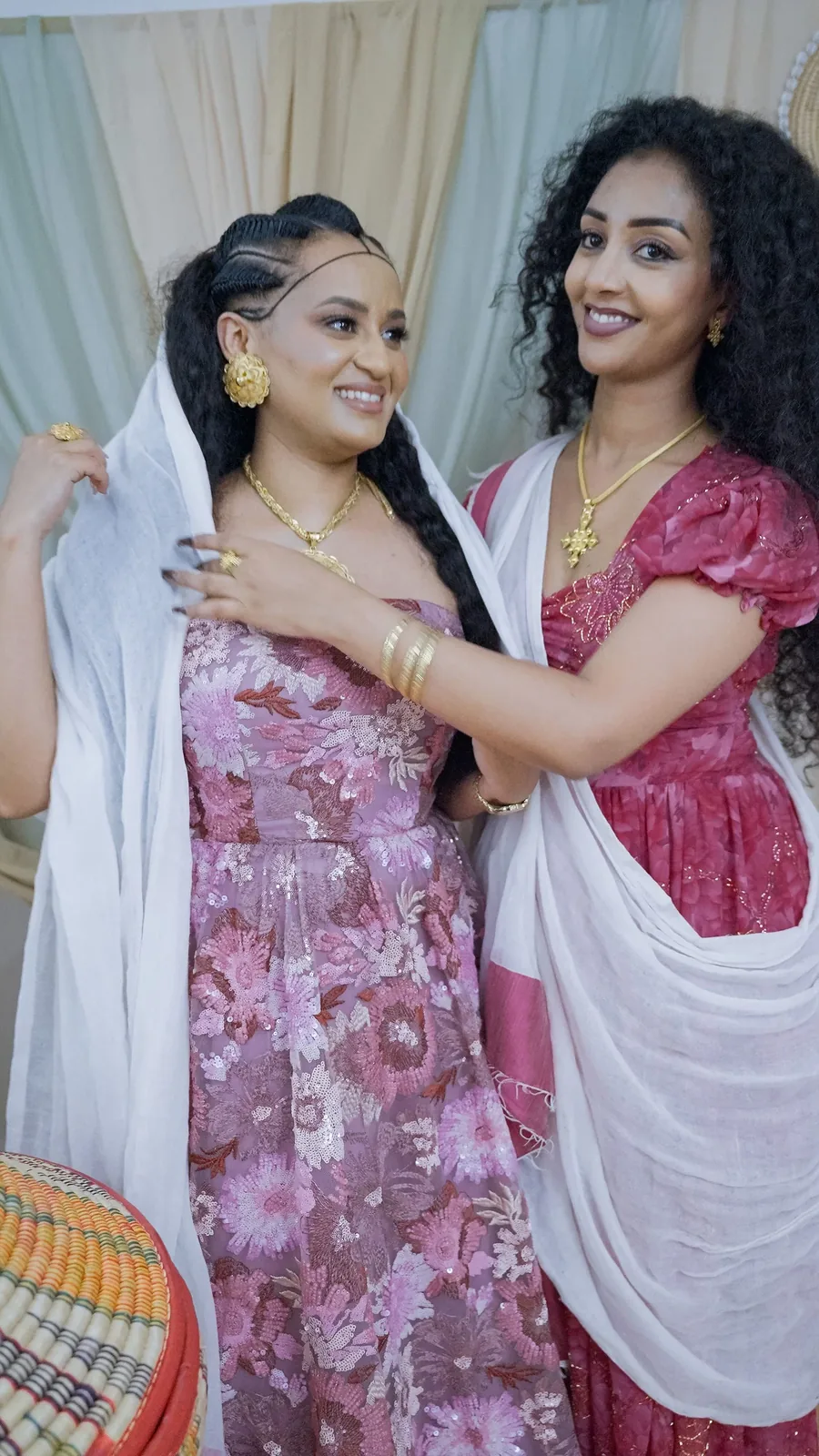
Photography
One setup, tested against the layouts it has to fill
We shoot to the crops the design already needs — the wide, the square, the tall — so nothing has to be re-framed into a shape it was never composed for. Files come back named, profiled and organised into a library rather than a dump.
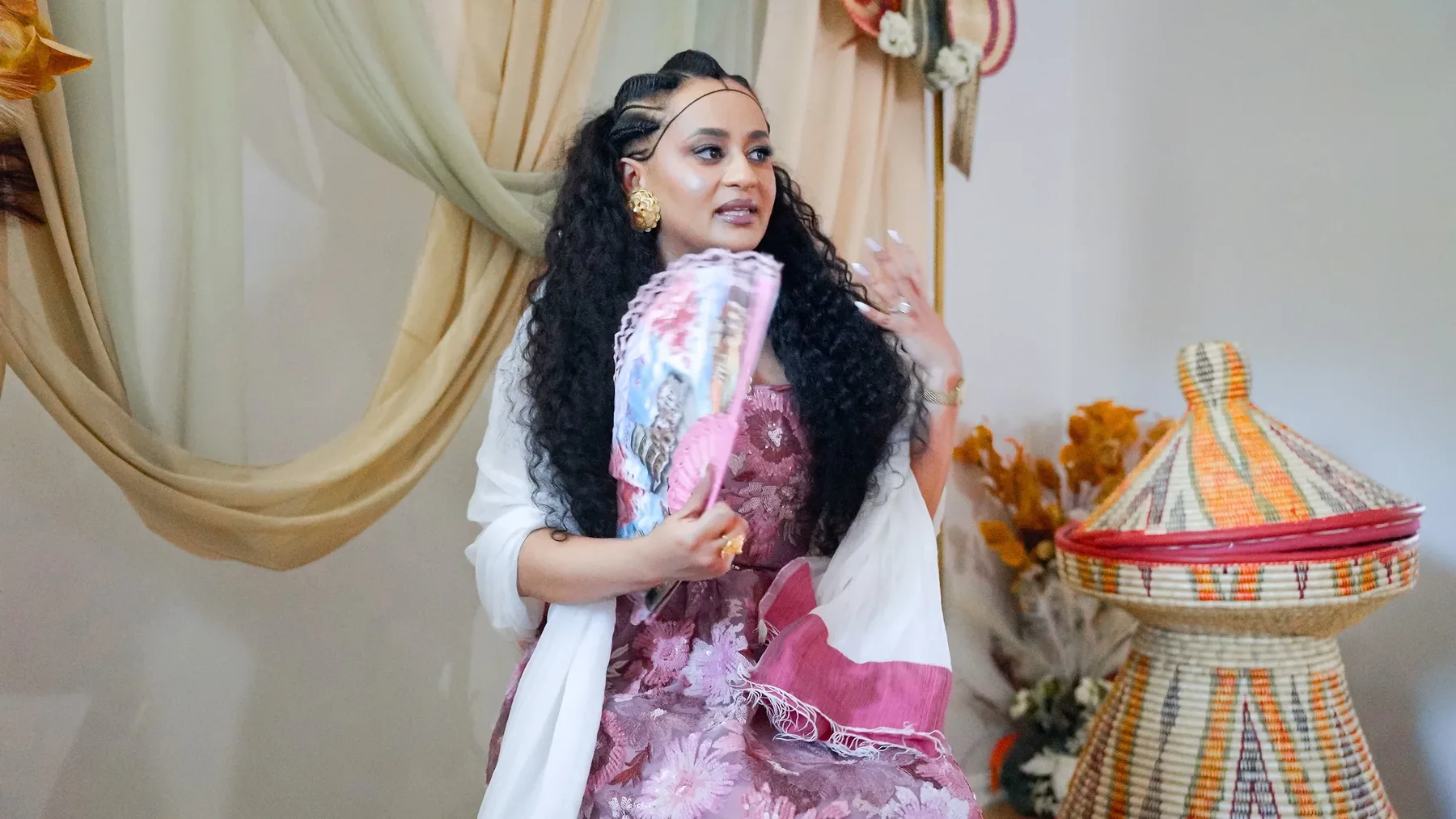
02Photography
Frames that hold the room.
Direction, styling and the edit — for people and for products. One styled set, natural light, and a sequence that reads in the order it was shot rather than in the order it was filed.
03Technology
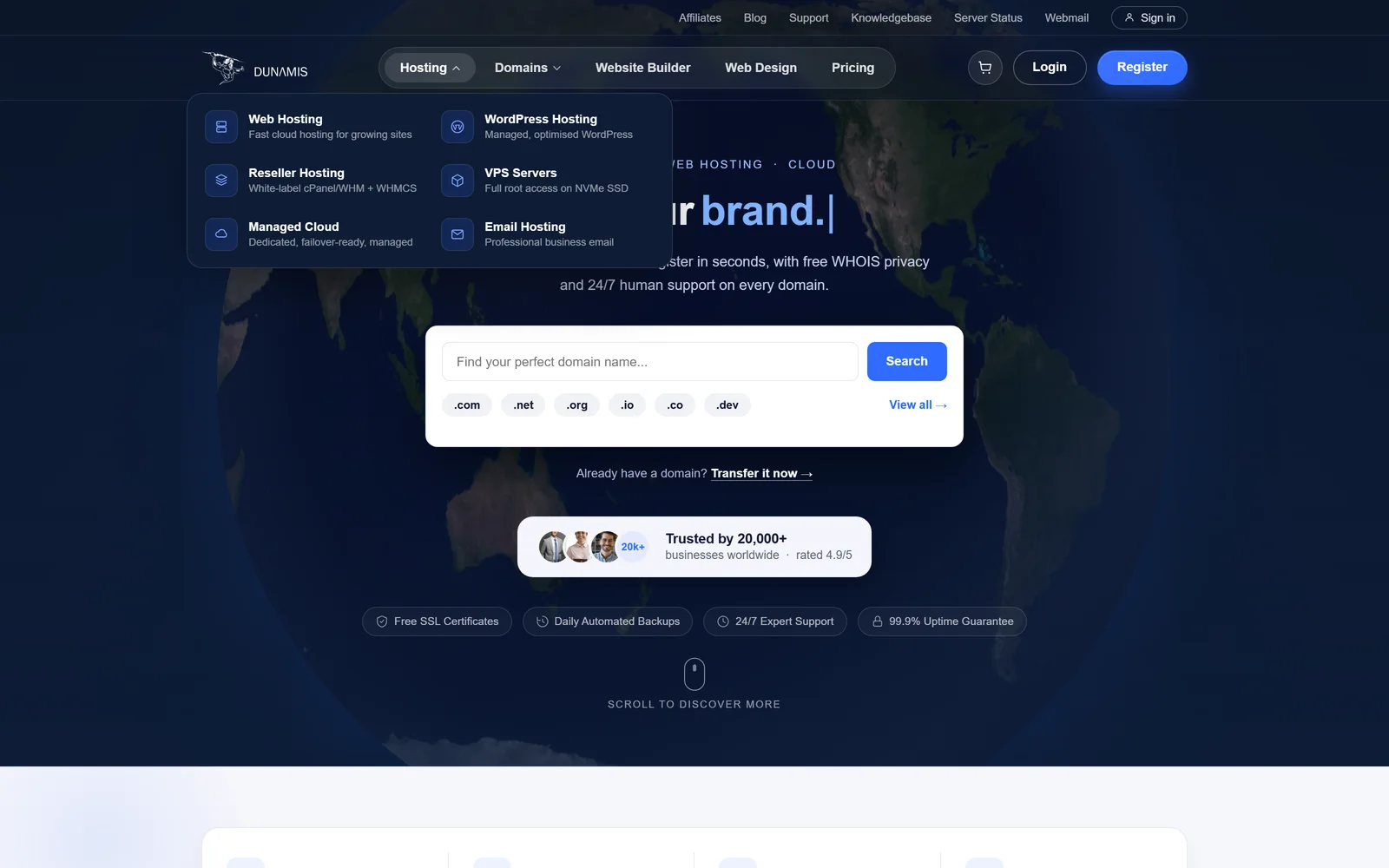
Systems built with the same care.
Websites, applications and AI products, designed and shipped by the same studio that shot the film. This is a live client platform: six product lines, checkout, and a client area.
The engineering is not a side business.
Three clusters · one team · one standard of finish
Printed on the light field on purpose: this section is the spec sheet. It is the part a technical buyer reads with their guard up, so it is written to be checked rather than admired.
Everything below ships with tests, a deployment pipeline, and documentation another team could pick up. You get the repository, not a login.
A Cluster one
Websites & Digital Experiences
Sites that behave like products. Content models designed with the editors who will actually use them, front ends built as components rather than pages, and a performance budget agreed at the start so the beautiful version is also the fast one.
- Marketing sites, campaign sites and editorial platforms
- Headless CMS builds and content modelling
- Commerce and subscription front ends
- 3D, WebGL and real-time interactive scenes
- Motion and interaction engineering, including designed reduced-motion states
- Core Web Vitals work and WCAG 2.2 AA accessibility
- Analytics, consent and search fundamentals
B Cluster two
Apps & Software Products
Software with users, states and consequences. Scoped as a product rather than a project: what the first release must do, what it must deliberately not do yet, and how you will know whether it worked.
- Web applications and customer portals
- iOS and Android — native or cross-platform, argued case by case
- Internal tools, admin systems and operational dashboards
- APIs, third-party integrations and data plumbing
- Authentication, roles, permissions and audit trails
- Automated tests, CI, staged deployment and rollback
- Monitoring, error reporting and a documented handover
C Cluster three
AI & Automation
Applied, not decorative. The useful work is almost never the model — it is the retrieval, the guardrails, the interface that makes an uncertain answer legible, and the evaluation that tells you whether quality is holding.
- Retrieval over a company's own documents and archives
- Assistive interfaces that show their sources and their limits
- Drafting, tagging, transcription and media pipelines
- Workflow automation between tools a team already uses
- Evaluation harnesses, so quality is measured rather than asserted
- Human review designed in wherever the cost of being wrong is real
- Data handling, retention and access settled before anything is connected
Stack chosen per project. We will tell you why, and what it would cost you to leave it.
05Built, not described
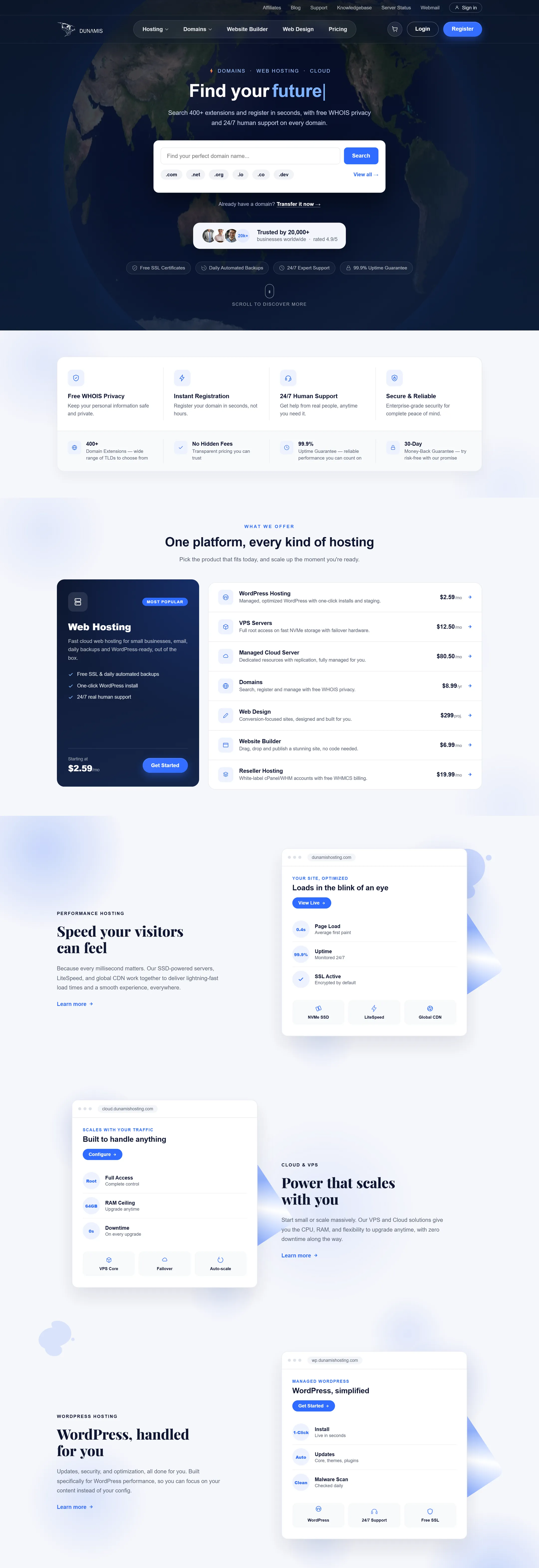

13 routes · 6 product lines · checkout · client area. Visit the live site ↗
The page you are reading is the portfolio piece.
Every image on this site is cropped by one piece of geometry, sampled from the angles in our own mark. Not a mask baked into a file. Not a rotated box with the overflow hidden. Two numbers and a polygon.
This matters commercially, not only aesthetically.
A crop baked into image files has to be re-exported by a designer every time a layout changes, and it quietly rots the day someone adds a breakpoint. A crop expressed as geometry costs nothing to change, survives any container, and can be handed to a marketing team who will never open a design tool.
The same discipline runs through the rest of the build. The reveals clip rather than fade, so nothing flickers on a slow connection. The loader is bound to real asset readiness instead of a fake timer. And if your operating system asks for reduced motion, the composition arrives fully formed with the animation removed — a designed state, not a broken one.
What is real here, exactly: the flagship film project is genuine Lion Creatives work, published with the couple’s permission. Every other visual is a clearly labelled placeholder. No stock imagery, no invented results, anywhere.
That is the argument for the fourth pillar in one object: a studio that can only draw this has to ask somebody else to build it.
Any one of these can be bought elsewhere. The combinations cannot.
A single-pillar project is a good day's work. A project that needs two or three is where the absence of a handoff stops being a claim and becomes the reason the thing is good.
01 Film × Technology. The launch film and the platform it lands on, planned in one document. The page is built around the beat the edit actually has, and the edit is cut knowing where it will be watched and how long the page can afford to wait for it.
02 Brand × Technology. An identity that has to survive becoming an interface — type that holds at small sizes, a colour that passes contrast once it is a button, motion with an off switch. Drawn and implemented by people in the same review.
03 Photography × Brand & Digital. A shoot art-directed from the page designs, so the crops the layout needs already exist and nobody is stretching a landscape frame into a tall card at eleven at night.
04 All four. A repositioning that has to arrive as a film, a photographic library, a design system and a running application — on one date, from one team, with one person answerable for whether it hangs together.
Start with the problem, not the deliverable.
You do not have to arrive knowing whether this is a film, a campaign or an application. Describe what has to change, and we will tell you which pillars it needs and roughly what that costs.
Single-pillar projects are welcome. So is "we don't know which of these we need yet".